
How Homeowners Can Prevent Contractor Liens
Hiring a professional to upgrade your home should be an exciting milestone, not a source of legal anxiety. However, in states like Florida, the "Construction Lien Law" creates a unique environment where a homeowner can actually be forced to pay for the same work twice.
.png)
Last updated:
February 5th, 2026
Published:
February 5, 2026
3 mins
Read
If your general contractor fails to pay a subcontractor or material supplier, that unpaid party can file a mechanics lien Florida against your home, even if you’ve already paid your contractor in full. To protect your investment, you need to understand the proactive steps required to keep your title clear.
Why Contractor Liens Happen on Residential Projects
A lien is a legal "cloud" on your property title. It serves as security, ensuring that those who provide labor and materials are compensated. Liens typically occur due to:
- The "Double Payment" Trap: You pay the general contractor (GC), but the GC fails to pay the lumber yard or the plumber. Under Florida law, those unpaid parties can look to your property for payment.
- Disputes Over Work Quality: If you withhold payment due to poor craftsmanship without following specific legal protocols, a contractor may file a lien to force a settlement.
- Insolvency: If a contractor goes out of business mid-project, subcontractors often use liens as their only path to recovering costs.
.jpg)
Steps Homeowners Can Take Before Construction Starts
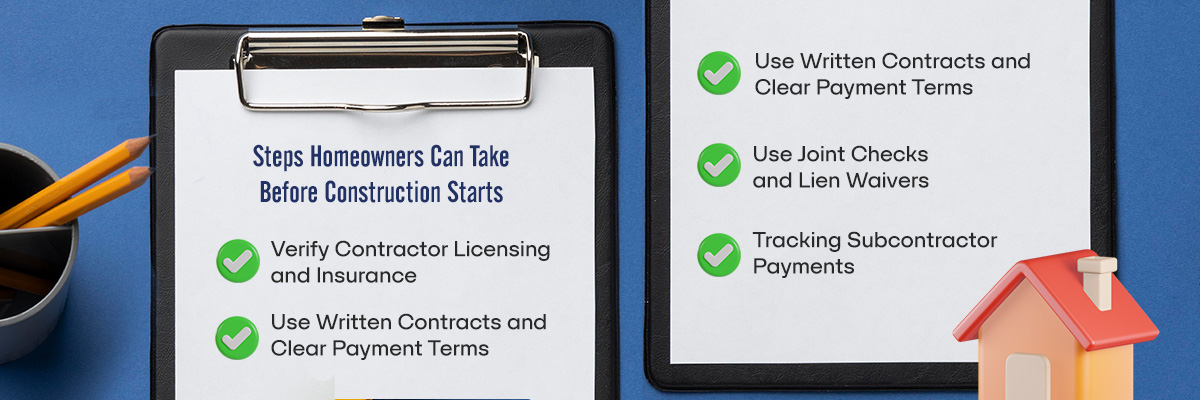
Protection begins long before the first hammer swings. Setting the right foundation with your contractor is the best way to prevent a mechanics lien Florida later.
Verify Contractor Licensing and Insurance
In Florida, an unlicensed contractor generally has no lien rights. Before signing anything, verify their license via the DBPR website. Additionally, ensure they have current workers' compensation and general liability insurance. If a worker is injured on your property and the contractor isn't insured, you could be held liable.
Use Written Contracts and Clear Payment Terms
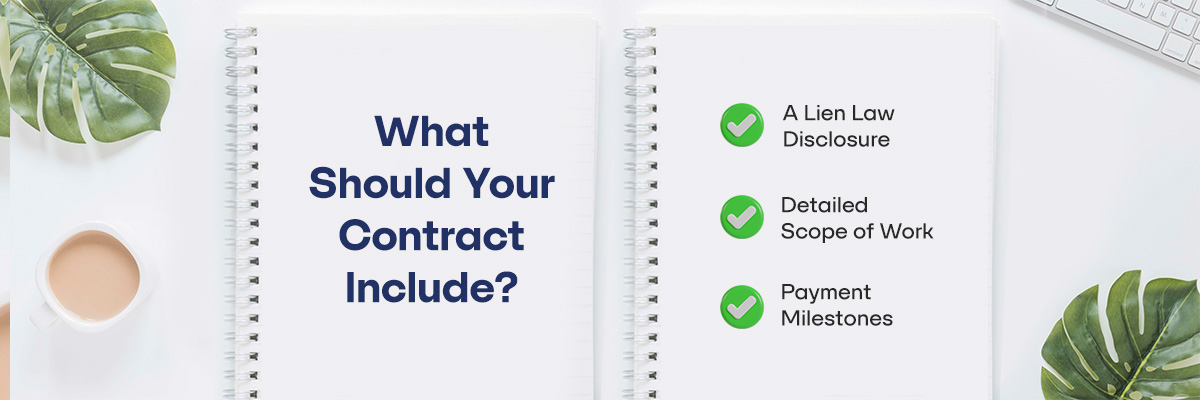
Your contract is your primary shield. Ensure it includes:
- A Lien Law Disclosure: Florida law requires contractors to provide a specific "Construction Lien Law" notice in the contract for projects over $2,500.
- Detailed Scope of Work: Prevents "surprise" costs that lead to disputes.
- Payment Milestones: Never pay large sums upfront. Tie payments to specific, verifiable stages of completion.
Payment Best Practices to Avoid Liens
The way you handle money during the project determines your level of risk.
Joint Checks and Lien Waivers
The most effective way to ensure subcontractors are paid is to use joint checks. This is a check made out to both the GC and the subcontractor/supplier. Both must endorse it, guaranteeing the money reaches the sub.
Furthermore, never release a payment without receiving a lien waiver (also called a Release of Lien). A partial waiver covers work done to date, while a final waiver is signed at the end of the project. This document legally prevents the signer from placing a lien on your home for the amount paid.
Tracking Subcontractor Payments
Ask your contractor for a "List of Subcontractors and Suppliers." In Florida, you have the right to request this list in writing. By knowing exactly who is providing materials for your roof or flooring, you can track whether you've received a waiver from each of them.
Role of Notices and Documentation
Understanding Preliminary Notices
If you receive a notice to owner (NTO) in the mail, do not panic—but do not ignore it. A notice to owner Florida is a formal document sent by a subcontractor to inform you they are working on your job.
- Why it matters: It protects the sub's right to file a lien if they aren't paid.
- Your Action: When you receive an NTO, you must ensure you get a lien waiver from that specific entity before you pay your general contractor.
.jpg)
Keeping Proof of Payment
Maintain a "Project File" containing:
- The Notice of Commencement (which you must record before work starts).
- All notice to owner documents received.
- Cancelled checks and signed lien waivers for every payment.
- The Contractor’s Final Payment Affidavit (a sworn statement from the GC at the end of the job listing any unpaid parties).
What to Do If a Lien Threat Arises
If a contractor or sub threatens a lien, your first step is to review your lien waivers. If you have a waiver for the work in question, the lien is likely invalid.
If a lien is actually recorded, you can file a Notice of Contest of Lien. This forces the claimant to file a lawsuit to enforce the lien within 60 days, rather than the standard one year. Often, if a lien is frivolous or the contractor lacks documentation, they will let the 60-day window expire, and the lien will be automatically extinguished.
FAQs
Can a homeowner prevent a contractor from filing a lien?
You cannot physically stop someone from recording a document at the courthouse, but you can make the lien legally unenforceable by following "proper payment" procedures—specifically, collecting lien waivers at every stage of the project.
Do homeowners need to collect lien waivers?
Yes. It is the homeowner's responsibility to ensure they are protected. Do not assume your contractor is paying the subs; the waiver is your only legal proof that the sub has no further claim against your property.
What documents should homeowners keep to avoid liens?
Keep the recorded Notice of Commencement, all Notices to Owner, every Partial and Final Release of Lien, and the Contractor’s Final Payment Affidavit.
Can a lien be filed even after full payment?
Yes. If you pay your general contractor 100% of the contract price but they fail to pay a supplier who sent you a notice to owner, that supplier can still lien your home. This is why lien waivers are vital.
FAQs: Fundamentals of Lien Laws

Ariela C. Wagner

.jpg)
.jpg)
.jpg)
.jpg)


